
Classroom Methodology
Teaching at the Right Level (TaRL) classes break free of usual teaching-learning practices commonly found in primary school classrooms across the world by encouraging the use of engaging, fun, and creative activities focused on building foundational reading and mathematics skills.
The crux of the TaRL methodology is that teaching should be tailored to the level of the child. In a typical TaRL class, children are grouped according to their learning levels with targeted instruction based on their reading and maths skills. In practice, this means children are not necessarily grouped by age or grade, allowing them to work in groups to grasp foundational skills before moving on to more complex concepts.
TaRL Principles
Responsive
The TaRL approach enables instructors to create groups of children at similar learning levels, allowing instruction to revolve around the current levels of the children, rather than a predetermined curriculum for the entire class. As children progress, the instructor reassesses and reassigns them to more advanced groups.
Focused on foundational skills
The TaRL approach allows instructors to focus time dedicated towards building foundational skills such as reading, number recognition and basic operations for children in middle and upper primary school who may have fallen behind.
Child-centred
The TaRL approach actively engages children by encouraging participation throughout each class. Instructors engage children in discussions and demonstrations, providing space for them to ask questions and helping them learn through collaboration. They provide structure and support, while adjusting to the children’ s pace.
Multi-sensory
During a TaRL class, children read, write, speak, listen, practice sums, demonstrate activities, collaborate, and move around the classroom. Classes are fun and fast-paced, and children strengthen several skills simultaneously. TaRL classes incorporate whole-group, small-group, and individual activities. This gives children the opportunity to teach and learn from each other. Instructors make sure that each child participates in small-group activities by checking in on groups to encourage active involvement. During individual practice, the instructor has time to provide one-on-one support, and notes whether children are lagging or progressing.
Lively
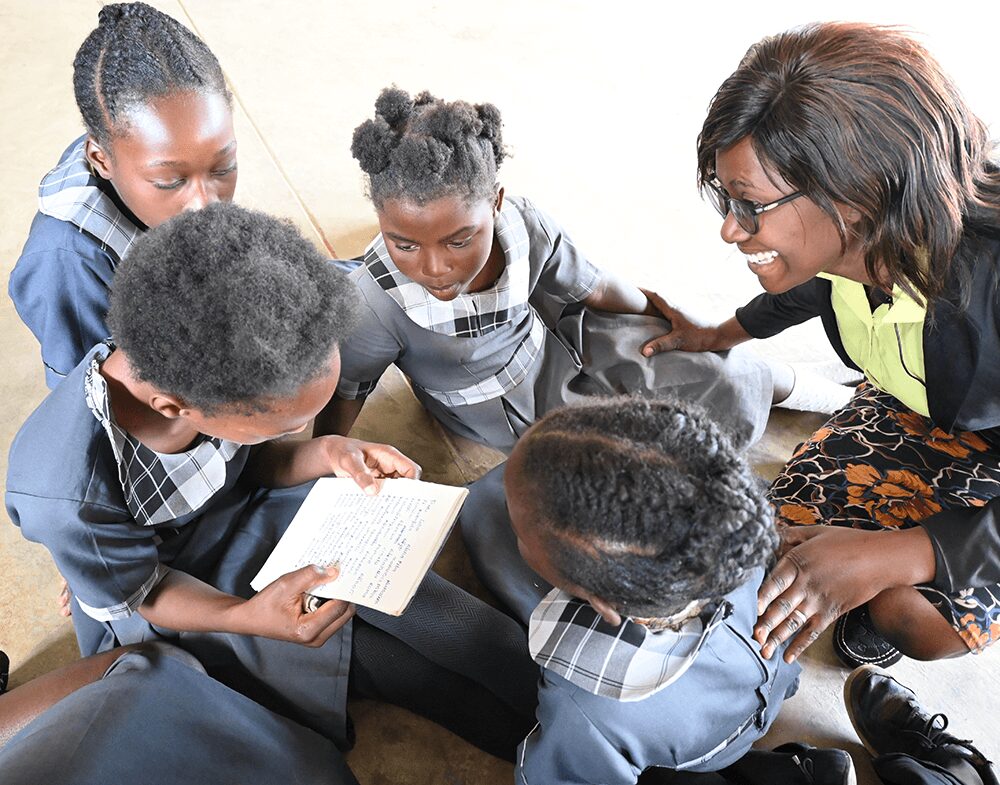
TaRL transforms the classroom environment:desks and chairs are pushed aside, and the class is conducted on the floor. Children move easily into their small groups, where they use the floor space to write and practice sums. Instructors often sit on the floor with the children during whole-group activities, and move around to give children one-on-one attention during small-group and individual activities. This use of space helps to strengthen the connection between instructor and child and gives children more time to learn.
Relatable
TaRL classes introduce foundational skills through familiar content and practical materials. For example, when the class discusses a picture, they use a familiar scene, such as a village, market, or home like their own. In maths classes, children use sticks to learn number recognition and the concept of place value.
Materials are low-cost and easily accessible. Instructors usually create their own materials and adapt them to suit children’ needs. This focus on everyday tasks, scenes, and materials helps children to draw on their own knowledge and experiences.
Confidence-building
The daily experience of going to school without foundational knowledge or the right materials can harm a child’s sense of self-efficacy and confidence. The TaRL approach aims to build confidence by considering the child’s foundational skill level and providing challenging yet achievable tasks to help them progress. Instructors praise each child’s achievements, and practise patience while children learn at their own pace. When TaRL is well implemented children are excited and active throughout the class and progress quickly through the levels.
Key Elements of the TaRL Approach
In the classroom, the TaRL approach moves away from “business as usual” practices and instead focuses on accelerating children’s acquisition of basic reading and maths skills. Together, the key elements of the approach shift the focus of education systems from schooling for all to learning for all.

Learning Goals
To ensure basic foundational skills for all, with clearly articulated goals for basic reading and maths.

Assessment
TaRL assessments are aligned with learning goals, offering valuable guidance for ongoing instruction. Conducted on a one-on-one basis with each learner, these assessments assist in grouping students based on their current learning levels and tracking their progress over time.

Grouping
Children are grouped by learning level rather than by grade (or age). Children move quickly from one group to the next as their learning progresses.

Teaching & Activities
Instruction is tailored to individual learning levels, starting at the child’s level rather than age or grade. Daily activities, conducted in whole-class, small groups, and individual settings, are simple, engaging, and adapted as children progress.

Training & Capacity Building
In typical TaRL programs, training of teachers is only done by those who have practised the approach themselves daily for at least 15-21 days. These individuals are “leaders of practice”.
Ongoing field based academic support
“Leaders of practice” provide ongoing, on-site mentoring to instructors, after at least 20 days of practice themselves.

Measurement & Mentoring and Review
Simple assessments are used periodically to track student progress, review data, and make decisions not only at the classroom-level but also about the programme design and future course of action.
TaRL works best when everyone involved in education is aligned to promote the goal of ensuring all children are learning foundational skills.
Developing Teaching Learning Materials (TLM)
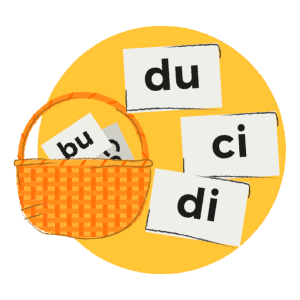
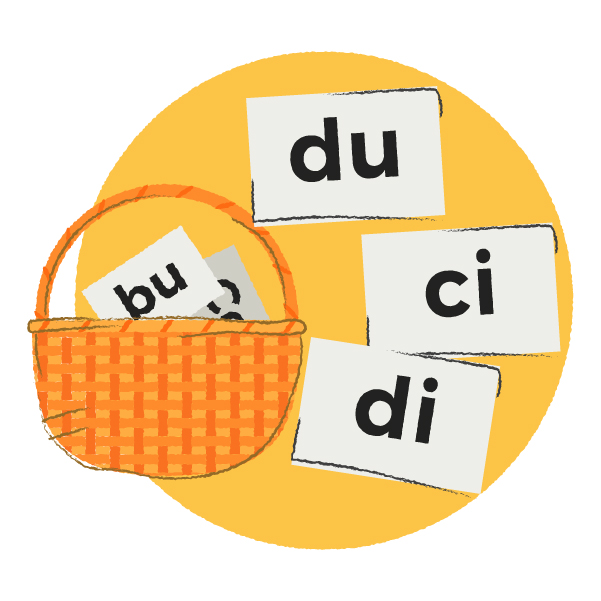
Teaching Learning Materials (TLM) play a pivotal role in TaRL classes. These materials are tailored to suit local realities, simple to create and cost-effective.
For language sessions, contextualised and level-appropriate TLM, stimulate listening, speaking, doing, reading, and writing in children. From number charts to bundles of sticks, concrete materials also help children navigate complexities of maths and make abstract mathematical concepts accessible.
Develop Language
Teaching Learning Materials (TLM) for TaRL interventions.

Develop Maths
Teaching Learning Materials (TLM) for TaRL interventions.
Delivering TaRL in the Classroom
The TaRL approach is delivered by facilitators in a variety of contexts. Despite adaptations and contextualization, several components remain the same across the different programs, especially in the TaRL sessions for reading and maths.
1. Grouping children by their current learning level
In TaRL, grouping children based on their learning levels is crucial for providing targeted support in literacy and numeracy. Children are grouped during TaRL sessions, using easy to administer, one-on-one assessments.
The grouping strategy can vary from school to school, considering factors like pupil-teacher ratio and seating space. However, in most instances children in similar learning levels such as beginner and letter levels, are grouped together.
Interventions may also use homogeneous and heterogeneous grouping, which determine the diversity of learning levels managed by a facilitator during TaRL sessions. Homogeneous grouping assigns one facilitator per level group, while heterogeneous grouping involves one facilitator overseeing a mix of levels. Group leaders play a vital role in heterogeneous classes, ensuring that all children engage in level-appropriate activities.
Watch this video to learn more
2. TaRL Activities and Classroom Processes
TaRL activities are fun and dynamic. These activities are used to help children acquire the basics of reading and maths, with demonstrations to the whole class, and subsequent practice in small groups and individually. TaRL activities help learners to develop skills of comprehension, encourage peer learning, and foster teamwork.
Watch this video to learn more
3. Managing children's progress
TaRL being an accelerated learning program, focuses on progressing children from one learning level to the next quickly. Continuous assessments, both formal and informal, are crucial for tracking progress and placing children in appropriate learning levels.
Watch this video to learn more
4. Planning TaRL sessions
TaRL sessions follow a non-linear and interactive approach, providing instructors with significant autonomy in creating session (or lesson) plans. Unlike traditional scripted lesson plans, instructors create session plans based on observations and formative assessments.
This process is crucial for efficient delivery of the TaRL methodology, allowing instructors to set achievable learning goals, prepare activities and materials, track progress, and identify readiness for level progression. Session planning also facilitates reflection, enabling adjustments and improvements throughout the week.
FREQUENTLY ASKED QUESTIONS
Have questions about the TaRL approach?
Topics and components of the TaRL approach:

Assessment
TaRL Classroom Methodology

Measurement, Monitoring & Review
