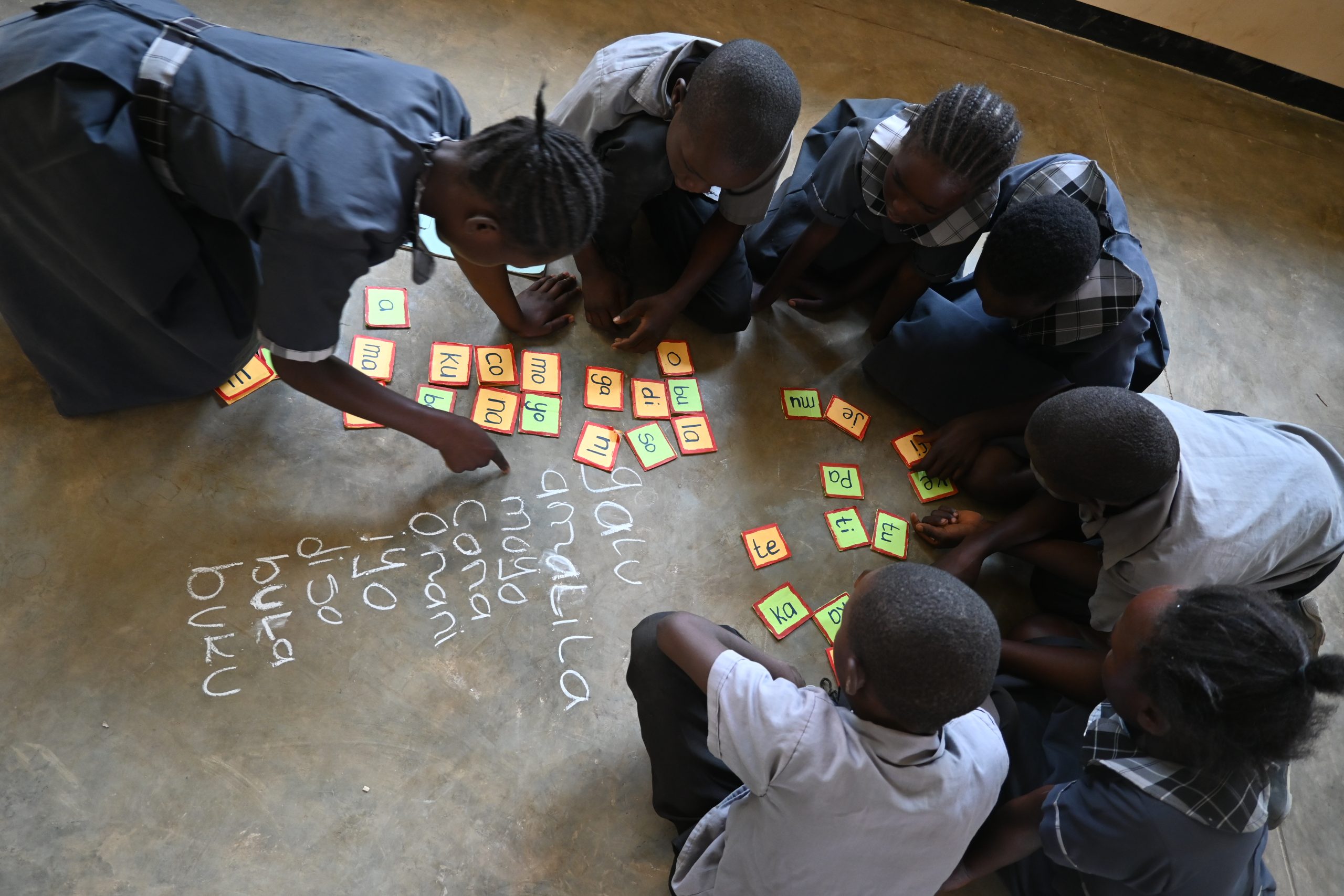
On February 9, 2026, educational leaders and parliamentary officials converged in Kabwe, the historic mining capital of Zambia’s Central Province, to witness a paradigm shift in how the nation approaches foundational learning. They gathered to observe the Catch Up Programme, a targeted, system-wide intervention designed to strengthen Foundational Literacy and Numeracy (FLN). Far from being a short-term, isolated project, this initiative, that began in 2016 represents a fundamental restructuring of educational delivery. As global education systems struggle to recover from widening learning gaps, Zambia is proactively demonstrating what it means to enact government-led, evidence-based reform at scale.
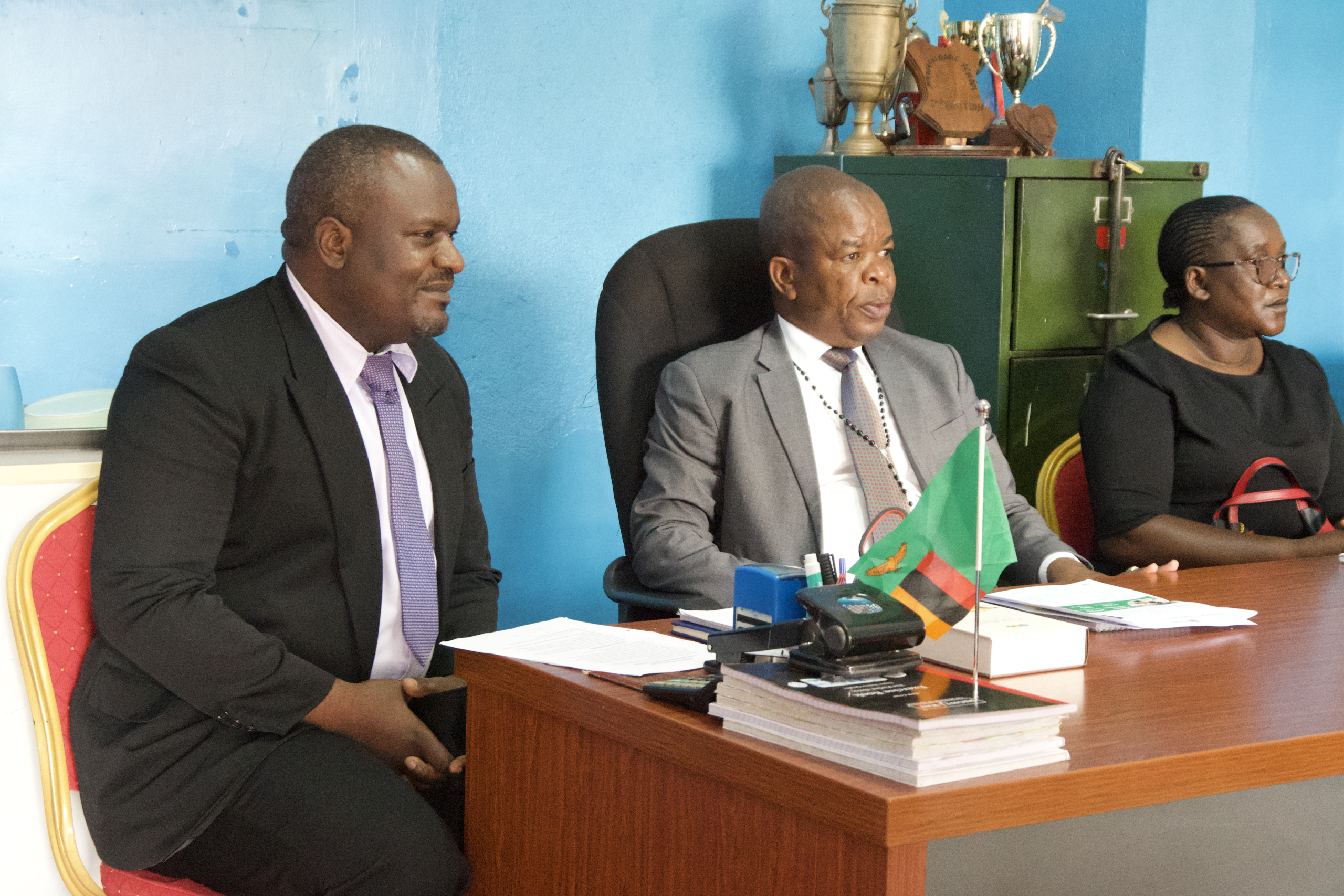
Powering this systemic change is the official rollout of the Teaching at the Right Level (TaRL) methodology, with VVOB serving as a key architect in its implementation across Zambian schools. Instead of following a fixed curriculum that may overlook individual learning paces, this approach meets every child exactly where they are to ensure no one is left out of the learning journey. TaRL utilizes responsive teaching strategies that adapt to each learner’s current level, ensuring that foundational skills are solidified before moving forward. The impact of this localized, data-driven approach is profoundly evident in Kabwe’s Bwacha Constituency, where Catch up has been implemented since January 2023. Across the constituency, 102 teachers have been trained to deliver Catch Up lessons to 10,479 learners in grades 3, 4, and 5. The endline results demonstrate tangible progress: literacy rates (defined as students capable of reading at the story or paragraph level) jumped from a baseline of 41% in January to 55% at Endline in October
To observe these methodologies in action, Hon. Sydney Mushanga, Member of Parliament for Kabwe and member of the Parliamentary Committee on Education, led a delegation deep into the constituency to visit Nkwashi and Ben Kapufi Primary Schools. Both schools began implementing Catch Up more recently, in May 2025, and their midline assessment data reveals rapid, transformative gains.
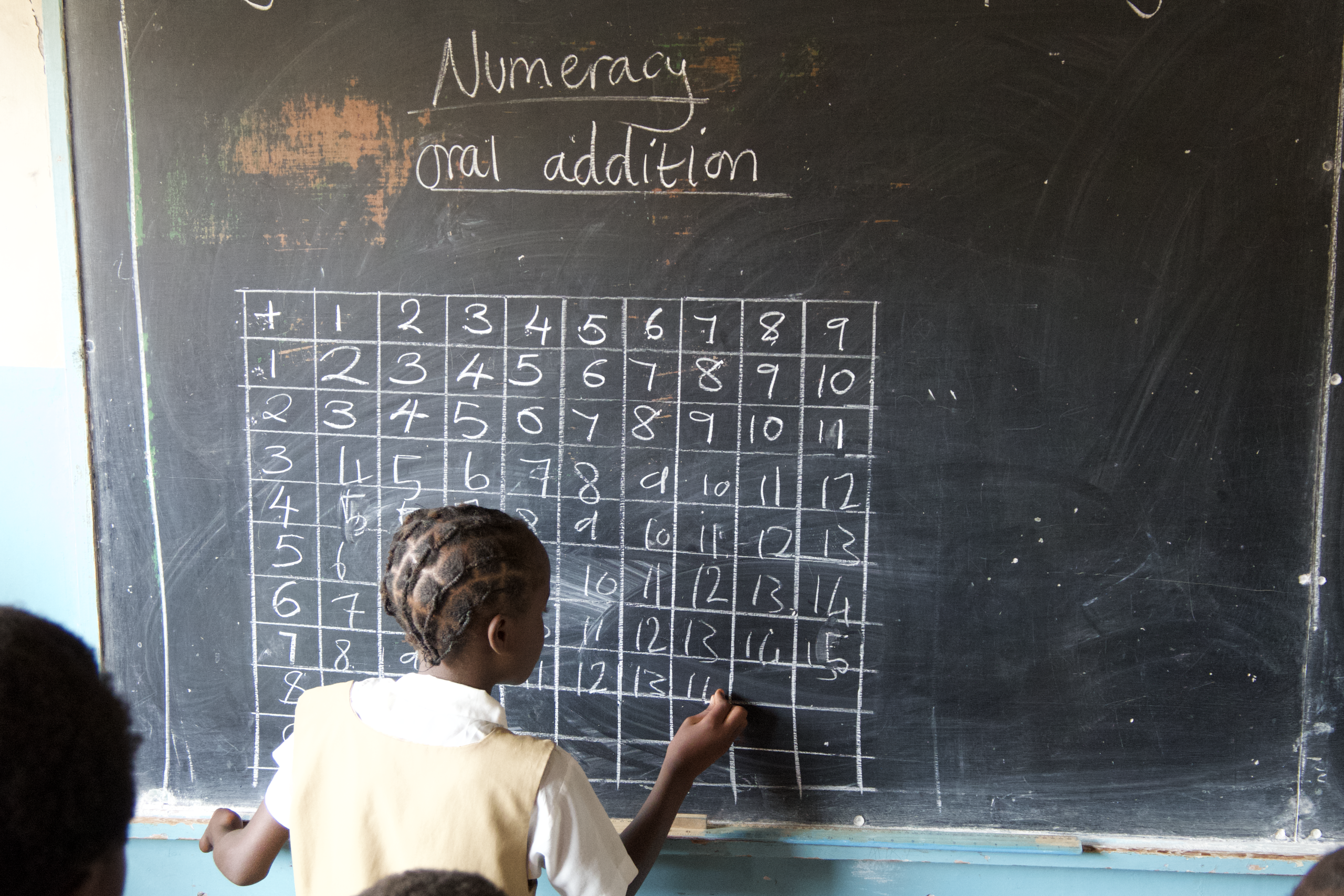
At Ben Kapufi Primary School, where 20 teachers are facilitating Catch up for 522 learners, the percentage of children who can read increased by 15% (from 42% at baseline to 57% at midline). The numeracy improvements are equally striking. While basic number recognition showed no significant change, practical mathematical application soared: the number of learners able to perform division more than doubled, leaping from 18% to 39%, alongside a 23% reduction in students entirely unable to multiply or divide. Similar milestones were recorded at Nkwashi Primary School, where eight trained teachers are instructing 442 learners. There, literacy saw a 17% absolute increase (moving from 47% to 60%). In mathematics, learners who could both add and subtract increased by 15%, while those unable to multiply or divide dropped by 20%. These granular statistics prove that when teachers are equipped to meet students exactly where they are, complex cognitive barriers can be rapidly dismantled.
Crucially, the momentum observed in Kabwe is not an isolated success story; it is a synchronized piece of a massive national rollout. The Catch Up Programme has already been integrated across nine of Zambia’s provinces, with a complete nationwide expansion scheduled to begin later this year. Highlighting the government’s commitment to rigorous oversight, concurrent monitoring visits occurred across other districts on the very same day. In Itezhi-Tezhi, Hon. Elvis Twaambo Mutinta assessed progress at Nakabangwe and Itezhi-Tezhi Primary Schools, while Hon. Tyson Simuzingili monitored St Patrick’s and Nakanjele Primary Schools in Gwembe.
These coordinated, multi-district engagements by parliamentary leadership underscore a vital lesson for the international community: sustained educational improvement also requires deep political will paired with community mobilization. By embedding foundational learning interventions directly into its public school framework, relying on localized, measurable outcomes, and fostering strong technical partnerships, Zambia is not just catching up, it is actively paving the way forward for systemic educational reform.
The success of this methodology relies on robust, multi-sectoral collaboration. With the Ministry of Education at the helm, the program operates through strategic technical partnerships and its growth has been supported over time by partners including UNICEF, VVOB, TaRL Africa, Pratham, the Zambia National Education Coalition (ZANEC), and J-PAL, with early catalytic support from the Foreign, Commonwealth and Development Office (FCDO, then DFID). National and community-based organisations such as Zambia Open Community Schools and international Non-Governmental organisation World Vision who have also contributed to its roll-out.
Authors: VVOB Zambia and TaRL Africa