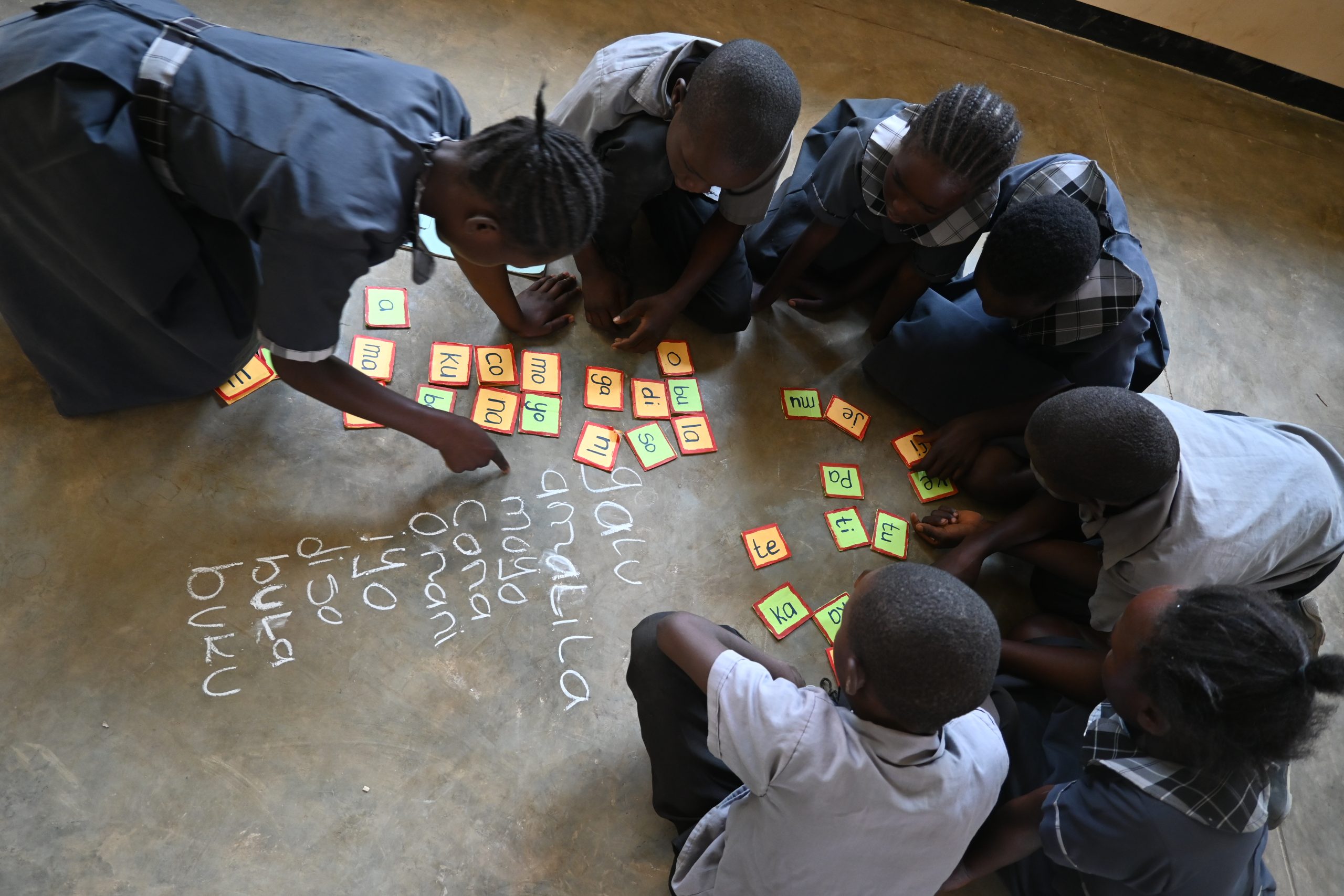
 The Advanced Level TaRL Bootcamp is the perfect next step for people already familiar with the Teaching at the Right Level (TaRL) methodology. Geared towards organizations who have implemented TaRL for at least a year, this bootcamp is designed to take their skills to the next level. The comprehensive 10 days curriculum provides an in-depth exploration of key concepts and tools that will deepen understanding of TaRL and empower them to scale their TaRL programs and create lasting educational impact. The bootcamp was held in Nairobi, Kenya, bringing together 24 participants from 7 African countries, representing partner organisations,and representatives from the Ministries of Education in Zambia, Madagascar, and Côte d’Ivoire. Of these, 14 participants were fellows enrolled in the TaRL Africa Fellowship Program, while the remaining 10 were experienced TaRL implementers representing partner organizations and education systems across the continent.
The TaRL Africa Fellowship Program, supported by the Hewlett Foundation, is an 18-month journey designed to grow the next generation of leaders in foundational learning across SSA. Fellows gain hands-on experience in designing and scaling TaRL programs, mentoring others, and adapting materials across diverse contexts.
The Advanced Bootcamp was a key milestone in this journey – giving fellows the chance to deepen their technical skills, strengthen peer networks, and apply their learning through practical training and field visits alongside other education practitioners.
Here is a glimpse of what was covered:
Week 1: Foundations and Key Methodologies

The first week of the bootcamp focused on consolidating the participants’ understanding of the core principles of the TaRL methodology, followed by in-depth sessions on program evaluation and material development. The second week of the bootcamp focused on more advanced concepts, such as mentoring, program design, training design, scale and sustainability, and finally, the most fulfilling part, field visits. Participants also had the opportunity to apply the knowledge gained in the classroom in a real-world setting.
- Introduction and Setting Expectations:Participants were able to meet each other, understand the objectives of the training, and establish the expectations which helped align participants’ goals and foster a collaborative environment for learning. It was also interesting to see the merging of different contexts in Africa aligning towards one goal – improving foundational learning for all children.
- Reviewing and Assessing Programs: A key topic covered was learning how to assess and review educational programs to identify gaps. Participants were introduced to strategies for evaluating their own programs, identifying challenges, and using data to drive improvements at different levels i.e. classroom, school, district and National levels.
- The TaRL Approach: Another essential component was to go over the four critical domains of the TaRL approach:
- Assessment, Data Recording and Grouping
- Activities and Teaching-Learning Materials
- Classroom Process and Lesson Planning
- Mentoring and Monitoring.
Participants appreciated how these domains are interconnected and why each one of them is crucial for implementing the TaRL methodology effectively.
Our trainers took time to explicitly cover the practical aspects of TaRL teaching and lesson planning. They learned how to develop TaRL lesson plans that are tailored to the children’ s learning using assessment data, and ensuring that the activities are appropriate for each child’s learning level. This helped them grasp the non-linear approach that TaRL advocates for, emphasizing flexibility and adaptability in the classroom.
The participants were also introduced to the importance of creating locally-available teaching materials. The session delved into how to develop materials that are not only cost-effective but also contextually appropriate and emphasized the ownership and sustainability of materials. Participants were encouraged to design and adapt resources that work best for their specific settings.
Week 2: Advanced Concepts and Field Application

Program Design: A key focus of the bootcamp was equipping participants with the skills to design programs that are not only effective but also scalable and sustainable. Participants gained hands-on experience working through various case studies and real-world scenarios, where they applied their knowledge to design tailored programs for different contexts. This interactive approach allowed them to explore the nuances of program design and learn how to adapt their strategies to meet the unique needs of diverse environments. Through this practical experience, they gained skills on how to design programs that can be successfully scaled and sustained over time, ensuring long-term impact and growth.
- Data-Driven Mentoring:Participants explored how to use data to guide and support teachers. The sessions provided insights into building a mentoring framework that incorporates regular feedback, observation, and goal-setting to enhance the teaching quality during TaRL interventions.
- Designing and Executing Training: This component looked into how to design and execute a training plan. Participants learned how to craft training sessions based on their different roles and experience levels . They were also introduced to strategies for evaluating the effectiveness of their training programs and how to refine their approaches over time.
- Field Visits: Participants travelled to Kitui to observe the implementation of TaRL in local classrooms. These field visits allowed them to see first hand how TaRL works in practice, providing an opportunity to engage with stakeholders and reflect on the challenges and successes observed in the field.
- Scale and Sustainability: The final session focused on scaling and sustaining cost effective TaRL programs. Participants discussed strategies for expanding their programs and ensuring that their initiatives continue to have a lasting impact. They also received guidance on how to assess the long-term effectiveness of their programs and make adjustments as needed.
What’s Next?

After completing the 10-day bootcamp, participants are expected to have acquired the skills and knowledge needed to assess educational programs, design impactful lessons, create tailored materials, mentor teachers, and scale their programs to reach more learners. The bootcamp empowers them to lead and implement TaRL interventions with confidence, using data to drive continuous improvement.
In addition to this, participants are expected to use the acquired knowledge to support other organizations implementing TaRL. TaRL Africa may provide opportunities for them to visit different contexts and offer support, helping them better understand their own context and implement the methodology with deeper insights and expertise.
The Advanced Bootcamp brought together a mix of participants – seasoned TaRL implementers and fellows currently enrolled in the TaRL Africa Fellowship Program. While the training offered all attendees a chance to deepen their technical expertise, for the fellows, it formed a key milestone in their 18-month journey of learning and leadership development. With strengthened skills and shared insights, both groups are now better positioned to drive forward foundational learning efforts across the continent.. In the words of Catherine Botros-Odingo our Associate Director for Programs and Partnerships as she wrapped up the bootcamp “The journey to improving education in Sub-Saharan Africa is ongoing, and it is through continued collaboration and sharing of knowledge that we will be able to overcome challenges and drive meaningful, lasting change.”