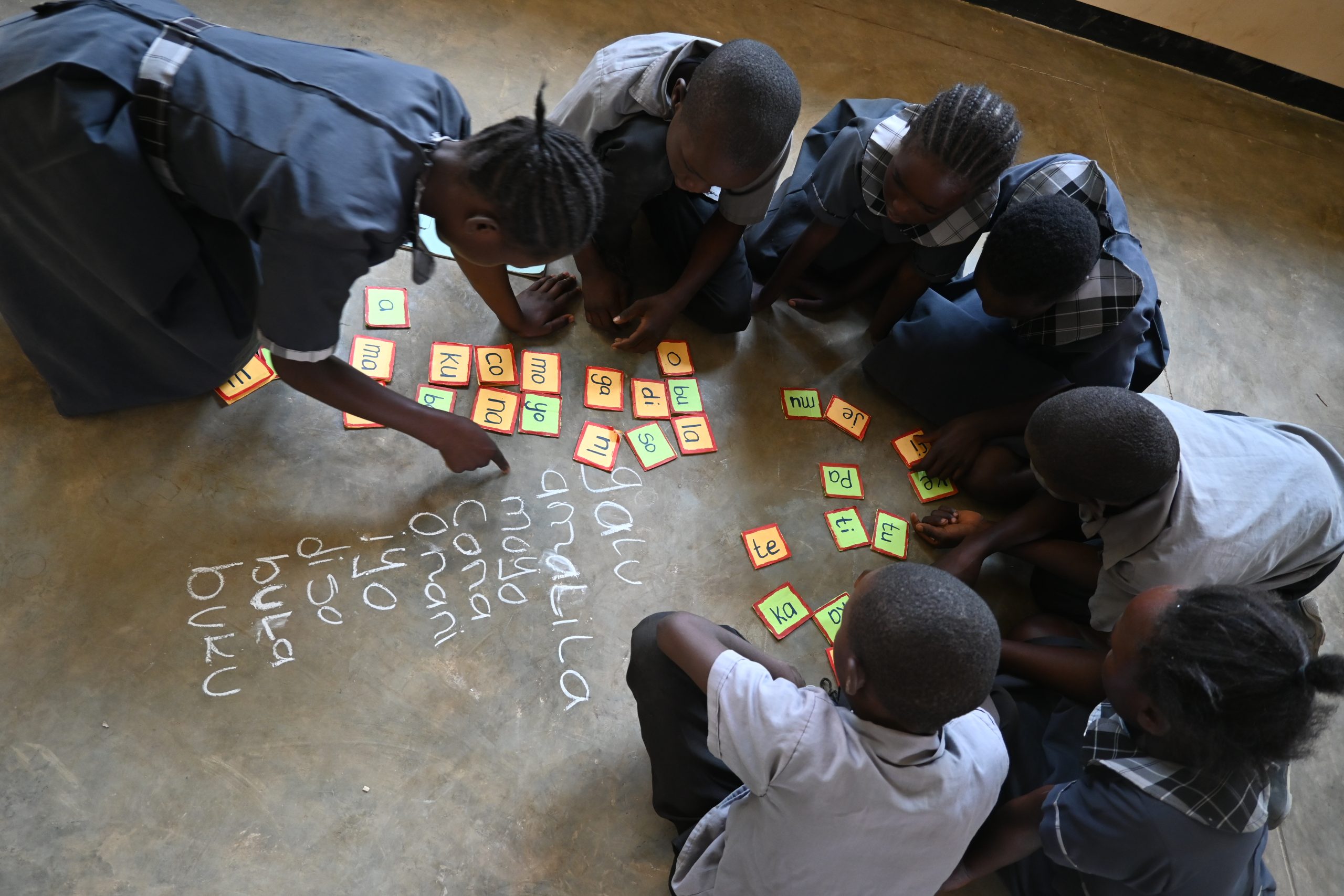
After ten years of implementation, Catch Up is no longer an intervention in Zambia’s education system. It functions as infrastructure; embedded in policy conversations, familiar to provincial and district teams, and increasingly understood as part of how remediation for foundational learning is delivered. With Teaching at the Right Level now implemented across much of the country, the focus for the Ministry of Education has shifted toward system completion: ensuring consistency, quality, and ownership as the Copperbelt becomes the tenth and final province to come on board. At this stage, however, the emphasis is no longer on expansion, but on coherence and consolidation.
That shift was evident this month in Kabwe, where officials from national, provincial, and Luanshya District levels came together to undertake the detailed work required to anchor Teaching at the Right Level in the Copperbelt. The focus was technical and deliberate: reviewing, refining, and adapting teaching, learning, and assessment materials for a predominantly iciBemba-speaking context, while drawing carefully on lessons accumulated from nine provinces of implementation. Leadership from the centre of the system was clear.
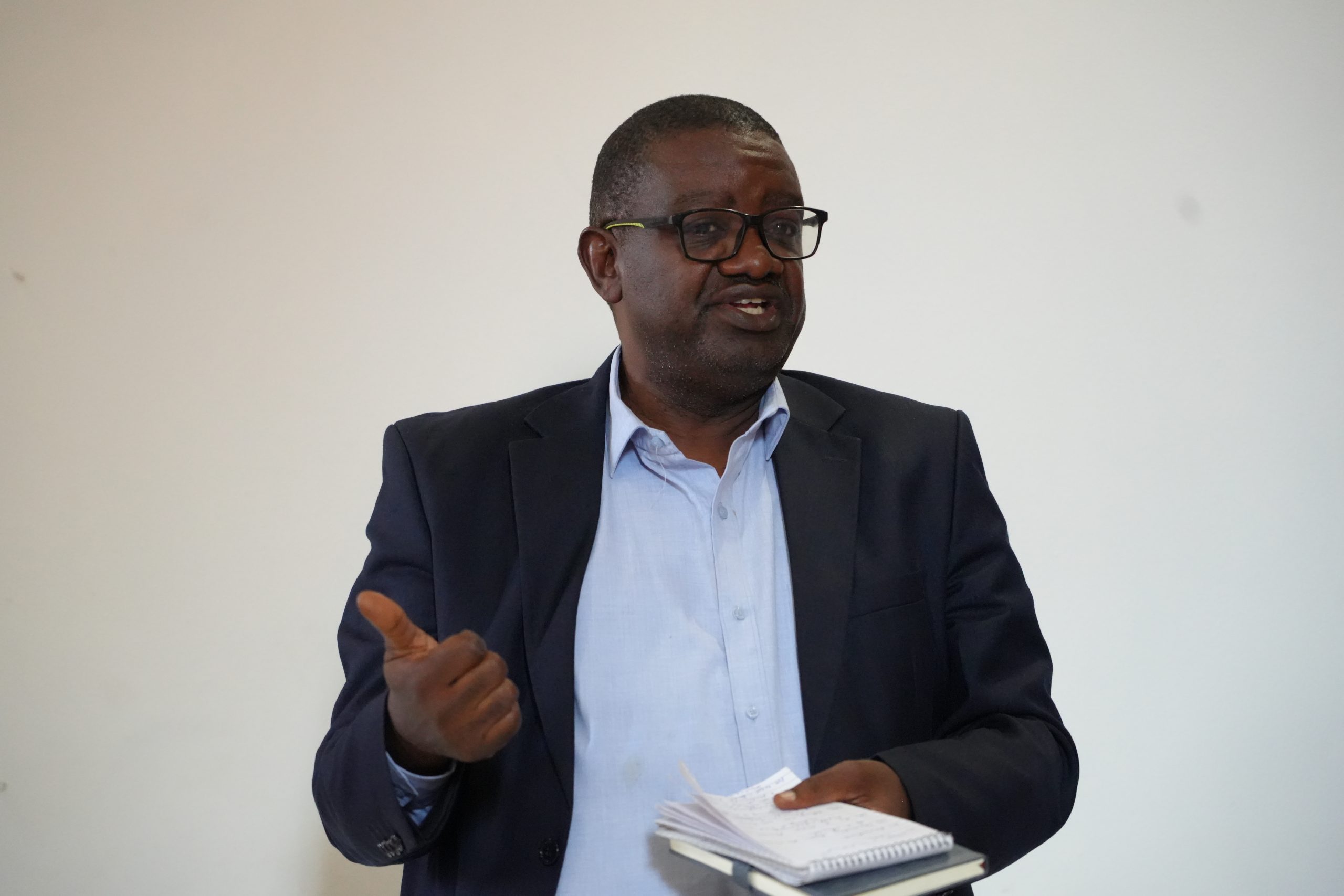
Speaking during the workshop, the National Director for Primary Education, Felix K. Ngoma, reaffirmed that Teaching at the Right Level is no longer a time-bound initiative. It is now how Zambia will deliver Catch Up remedial learning going forward. His remarks reflected a shift that was already visible in the room, where the work underway pointed to long-term integration.
The composition of the workshop reflected this intent. The District Resource Centre Coordinator (DRCC) and the District Education Board Secretary (DEBS) from Luanshya brought direct classroom and school-level realities into the discussion; for example, this collaboration provided critical insights into the assessment systems within the Copperbelt region, specifically highlighting how localized data can be leveraged to refine instructional preparation and improve teacher responsiveness. A representative from the Curriculum Development Centre (CDC) ensured alignment with national curriculum standards and quality assurance processes. The Provincial Education Officer provided a systems lens on implementation and oversight, while National Master Trainers grounded material choices in classroom practice and teacher support. Together, these officials formed the core working group, supported by members of the Catch Up Coordinating Committee (CUCC), the cross-directorate structure coordinating the province’s scale-up.
This mix of roles shaped how the work unfolded. Literacy and numeracy teaching learning materials for Grades 3 to 5 were examined closely, with attention to how they function in classrooms. Participants revisited how children move from sound recognition to fluent reading, how syllabic charts and short texts support early progression, and how numeracy activities and word problems build conceptual understanding rather than rote performance. These discussions were rooted in practical experience; what teachers can realistically facilitate, how learners respond at different levels, and where earlier iterations of materials had enabled or constrained progress.
Language and context were treated as central design considerations. Adapting materials for iciBemba involved careful pedagogical choices rather than direct translation. Vocabulary, sentence structure, and examples were weighed for clarity, familiarity, and progression, with close attention to whether assessment tasks genuinely reflected what learners know and can do. For practitioners, this level of scrutiny is what distinguishes materials that appear sound on paper from those that support differentiated instruction in practice.
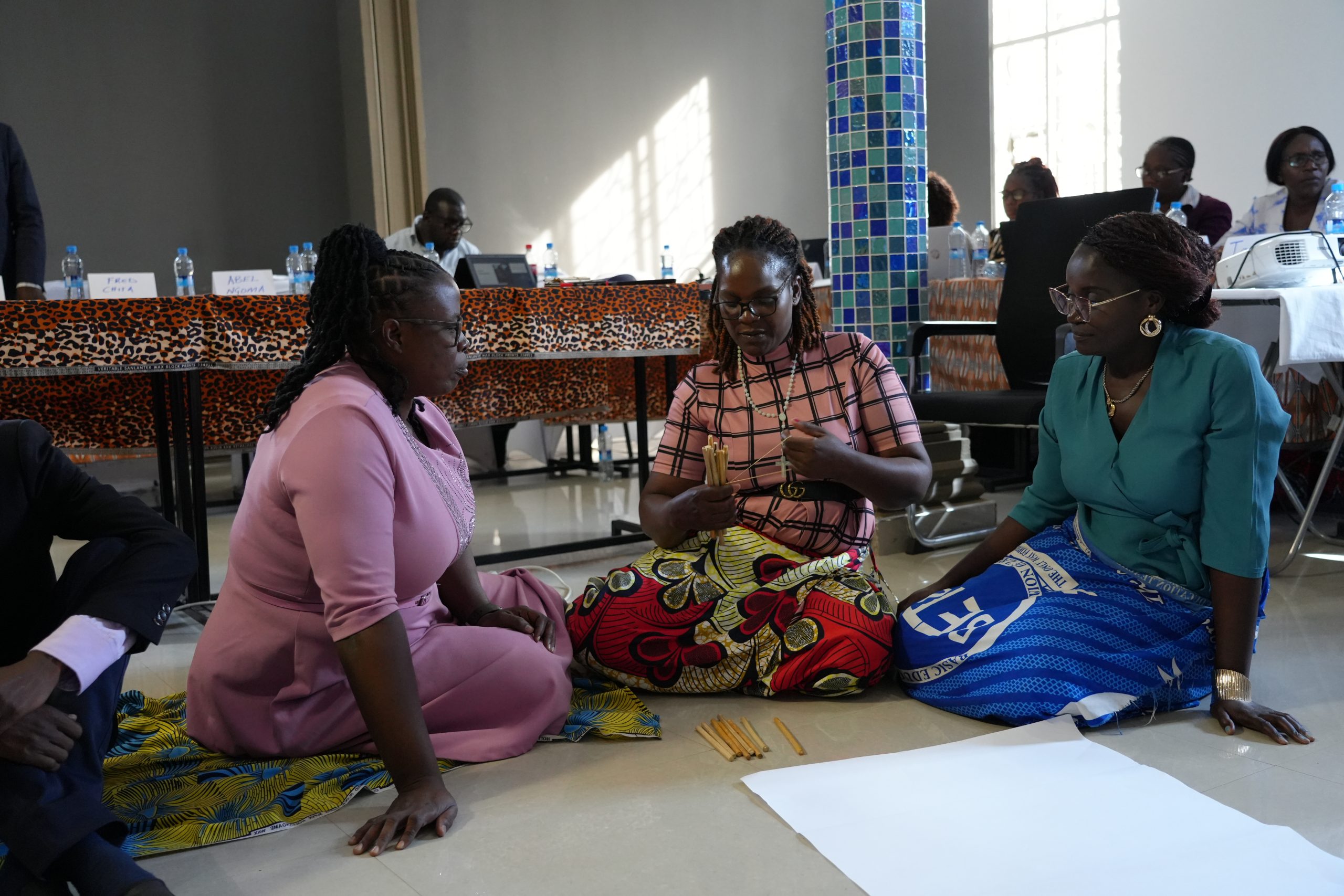
Alongside instructional materials, sustained attention was given to how learning is measured and supported. Existing assessment tools used across the Copperbelt were reviewed with the aim of strengthening alignment and coherence. Our focus centred on learner-level diagnostics, empowering teachers to accurately map a child’s learning trajectory and adapt instruction to meet their specific needs. Key discussions focused on the ‘lean’ optimization of assessment tools and the strategic integration of school-based data to drive student grouping. We explored how these real-time data flows can be moved from passive reporting to active instructional tools, ensuring that classroom decisions are consistently driven by evidence. From there, the conversation extended into mentoring; how assessment data informs classroom practice, how teachers are supported to adapt instruction, and how information flows upward to guide decisions at school, district, and provincial levels.
What gave this workshop its significance was where authority sat. Government officials were not endorsing a model designed elsewhere. They were shaping the materials, assessment tools, and mentoring structures they will be responsible for implementing, supervising, and improving. The presence and engagement of senior leadership, alongside provincial and district practitioners, reinforced that this work sits firmly within the system.
Partners, including VVOB, TaRL Africa and World Vision, supported the process through facilitation and technical input, while maintaining a deliberately secondary role. The centre of gravity remained with government actors, particularly at provincial and district levels, where implementation ultimately succeeds or fails. For education systems seeking to move from externally supported reform to durable institutional practice, this balance is instructive. Scale is sustained by embedding decision-making capacity where the work happens. As the Copperbelt prepares to roll out Teaching at the Right Level, the significance of the material development workshop extends beyond one province. Consolidating teaching and learning materials, aligning assessment approaches, and clarifying mentoring structures strengthens the Catch Up programme nationally. Completing coverage across all ten provinces matters, but the deeper achievement lies in how deliberately the system is preparing for that moment.
For education practitioners, the lesson is familiar but often underestimated: sustainable scale looks less like expansion and more like consolidation. It requires slowing down to codify what has been learned, investing in the unglamorous work of material development and assessment design, and ensuring that those closest to implementation are shaping the tools. Through this workshop, Zambia demonstrated what government-led scale looks like in practice.
Today, Catch Up stands as the oldest and most extensive Teaching at the Right Level programme on the African continent, scaled across nine provinces through sustained government leadership. Its growth has been supported over time by partners including UNICEF, VVOB, TaRL Africa, Pratham, and J-PAL, with early catalytic support from the Foreign, Commonwealth and Development Office (FCDO, then DFID). National and community-based organisations such as Zambia Open Community Schools and World Vision have also contributed to its roll-out.
This article was co-authored by Anjali Shandilya and Shirlyne Ingolo following their participation in the Copperbelt material development workshops. It reflects the ongoing collaborative efforts between the Ministry of Education and its partners to institutionalize Catch Up across Zambia.