Kebbi State lies in Nigeria’s far northwest, where the River Niger and River Rima meet to water fertile plains of rice, millet, and onions. The state capital, Birnin Kebbi, hums with life: traders call out their prices in busy markets, herders guide their cattle slowly across dusty roads, and children in school uniforms weave through the streets in clusters, their laughter carried on the warm breeze. Education here is not an abstract concept. It is present in the faces of young learners making their way through the city’s warm breeze each morning.
It was in this setting that our TaRL Africa team, led by Nura Zubairu, Afees Odewale, and Zaki Sarki, visited the headquarters of the Kebbi State Universal Basic Education Board (SUBEB). In his office, surrounded by shelves stacked with files and years of planning documents, Professor Sulaiman Khalid, the SUBEB Chairman, welcomed us for a conversation that revealed the state’s vision for education.
We are excited to embrace change whenever it comes. As long as it impacts positively on learning outcomes, we embrace it. Not only embrace it, we adopt it, we own it, and we upscale it.
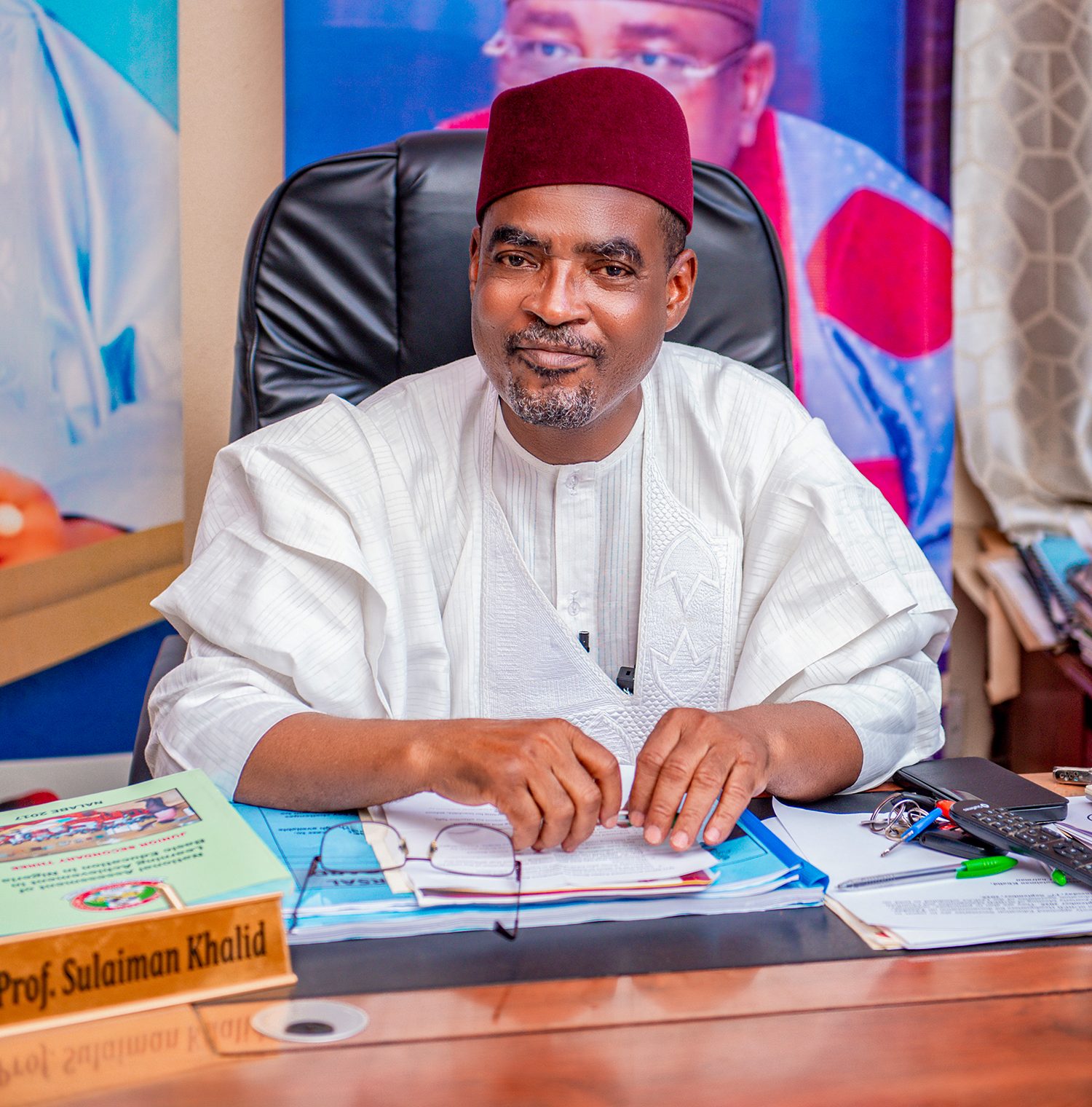 These words capture the very essence of sustainability. They reflect what true system integration looks like: when a government does not simply receive an initiative but claims it as its own, invests resources, and ensures it reaches children across the state. For Professor Khalid, ownership is not a slogan. It is visible in Kebbi’s actions. Programs like Teaching at the Right Level (TaRL) are not treated as pilot projects sitting on the sidelines. Instead, they are considered central to the state’s mission to improve learning outcomes for every child. This approach matters because too often, educational innovations remain small or dependent on outside funding. In Kebbi, leaders are showing that when government systems fully integrate a program, it can move from being a promising experiment to a powerful driver of change.
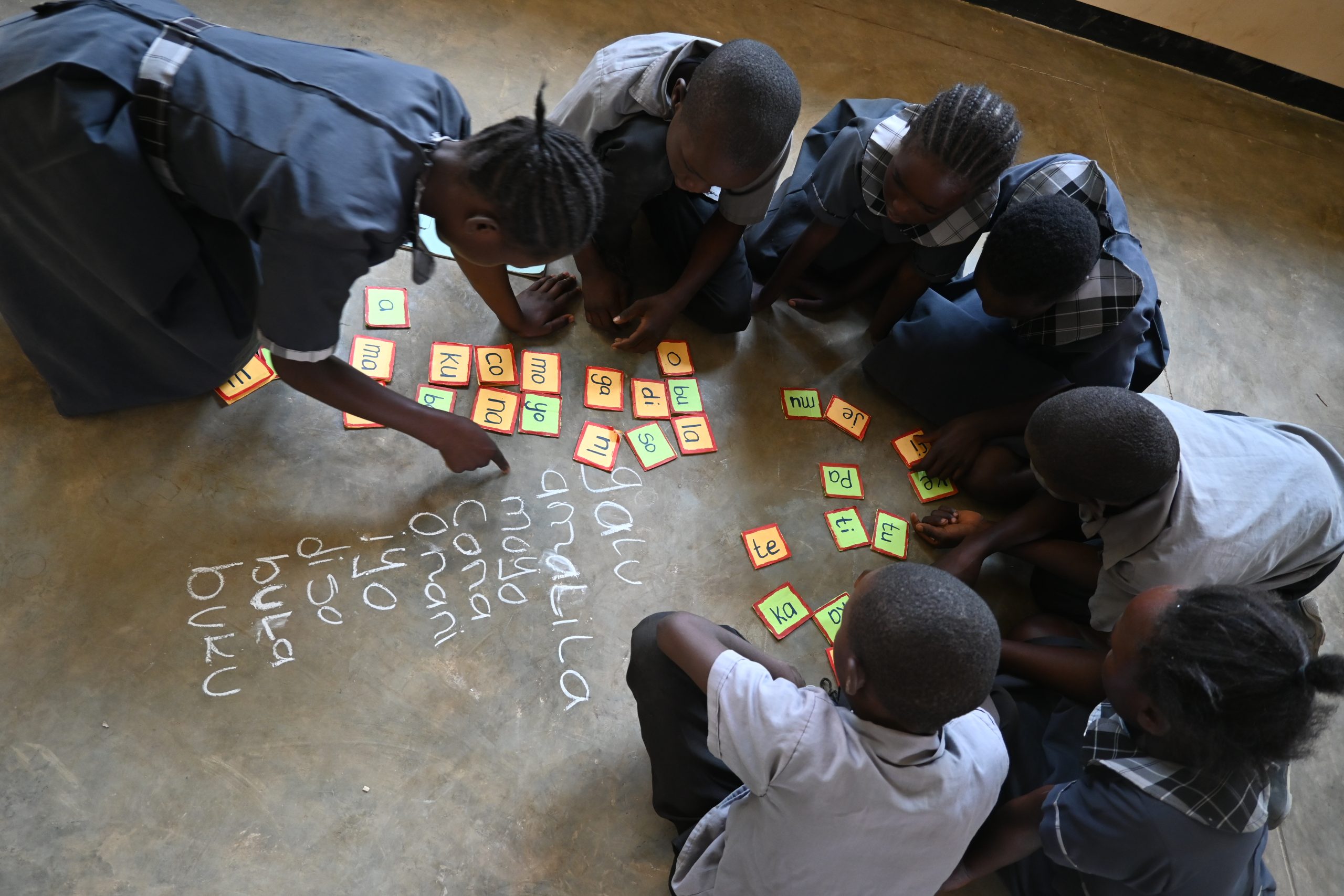
Beyond policies and boardrooms, this commitment is felt in classrooms. At Zannan Gwandu Model Primary School in Birnin Kebbi, children pay close attention to their teachers, repeating sentences with growing confidence. Teachers, trained in the TaRL approach, move among them, grouping learners by their actual level of understanding rather than by their grade.
One teacher told us, “Before, many of these children were silent, afraid to read aloud. Now they raise their hands and try. Even the quiet ones.”
The change is visible in the eyes of the children. A boy who once stumbled over letters now reads a full sentence aloud. A girl who could not add numbers last term now solves sums on the chalkboard. In Atiku Badugu Science Model Primary School, we met Amina, a ten-year-old who once struggled to read a single sentence. With TaRL sessions, she now reads stories with understanding, and she enjoys them!
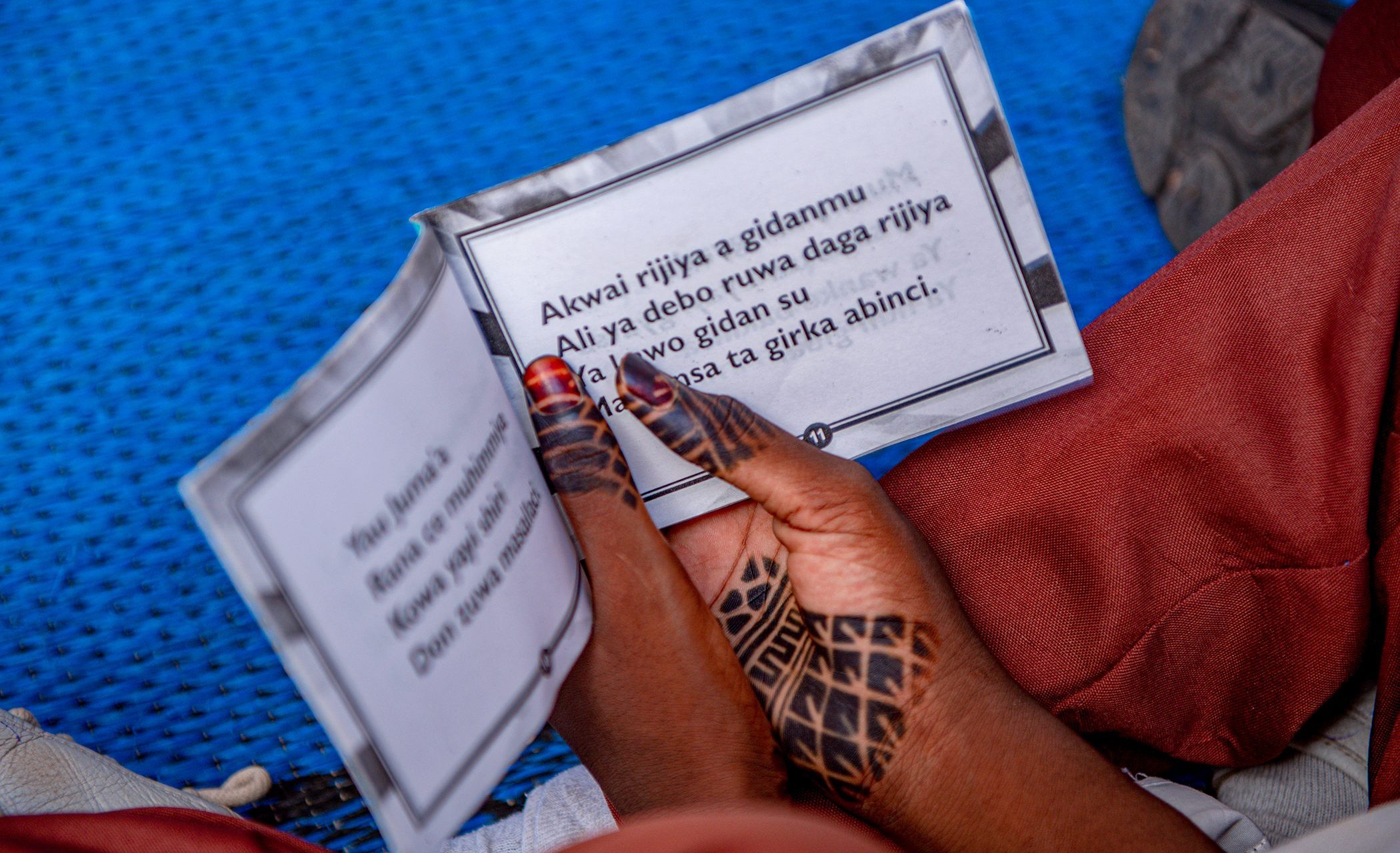
She said softly, “I used to struggle to read, but now I can read stories and understand them.” Her favorite subject in school is literature. She wants to be a teacher when she grows up, so that she can also help others read with understanding. Their progress is not by chance. It is the fruit of a state government choosing to integrate, fund, and support a method that works. The story of Kebbi is more than a local success. It is a signal to Nigeria and beyond. When governments take ownership, when they provide resources, and when they make proven approaches part of their systems, transformation happens at scale. For donors and partners, Kebbi’s leadership offers reassurance that investments in foundational learning can go far. It indicates that sustainability is possible, that results can endure, and that the children in classrooms across Nigeria are not only learning more but also gaining the confidence to dream bigger.
Since its introduction in 2021, Kebbi State’s implementation of the Teaching at the Right Level approach has expanded from an initial pilot in 122 schools to 167 schools, reaching over 30,000 children. Recent assessment findings indicate measurable learning gains, with literacy improving by 17 percentage points and numeracy by 15 percentage points, underscoring the model’s effectiveness in strengthening foundational learning outcomes. Kebbi State has shown us what is possible when partnership meets evidence and ownership. The lesson is clear: when governments adopt, own, and upscale what works, every child stands to benefit.