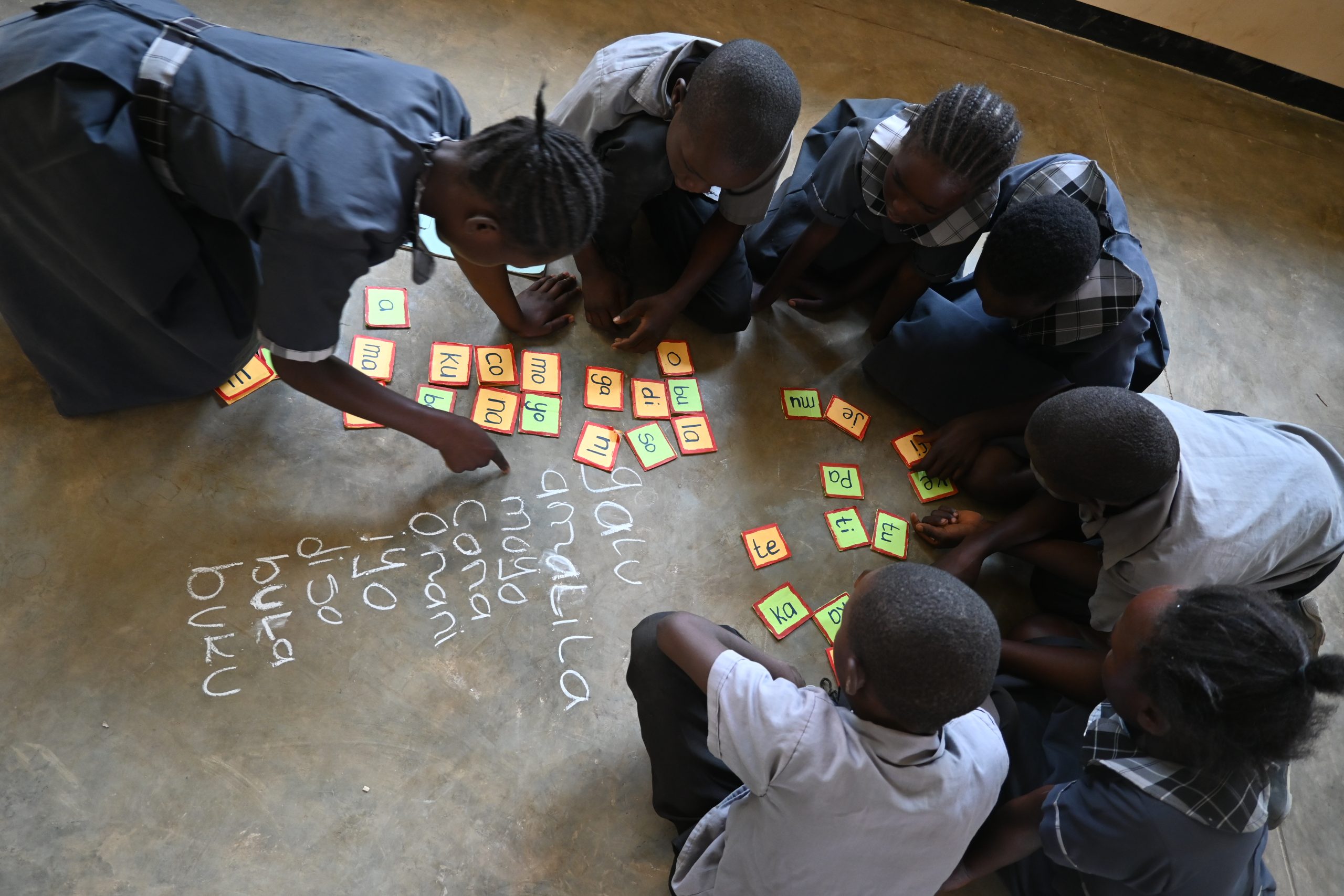
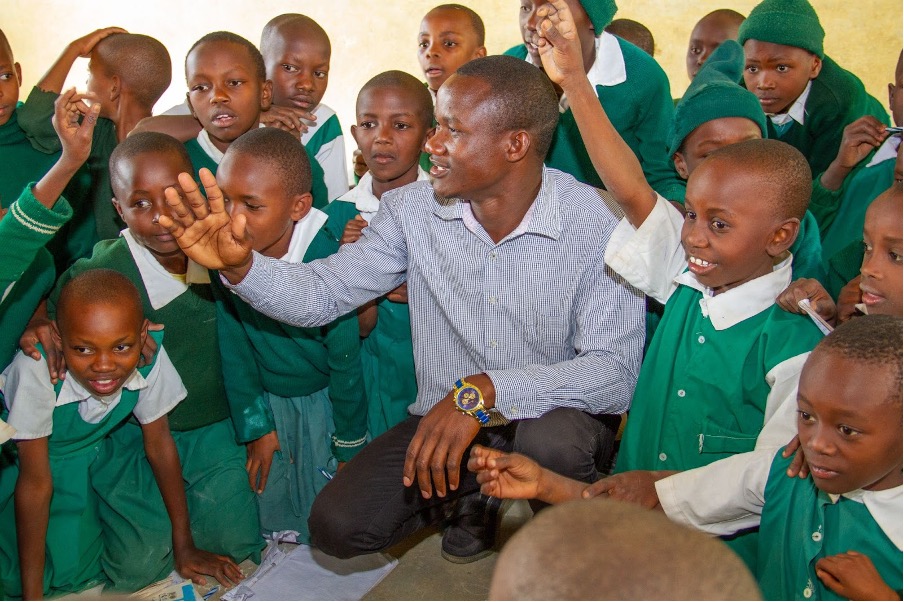
Every September, International Literacy Day reminds us that the ability to read is more than a milestone in school; it is a chance to participate in life. This year’s theme, “Promoting Literacy in the Digital Era,” could not be more timely. Digitalisation is reshaping how we live, learn, and connect. Yet for millions of children in Africa who still cannot read with understanding, the digital promise feels out of reach. Without strong foundations, the risk is not only falling behind in school, but being completely excluded from the digital future altogether.
At TaRL Africa, we know that transformation begins in the classroom; the moment a child recognises their first letter, reads their first sentence, or proudly explains what they have understood. That spark of comprehension is what unlocks everything else: confidence, curiosity, critical thinking, and eventually, opportunity. For us, digital literacy does not begin with devices or apps, but with stories, language, and numbers – the building blocks that give children the agency to step into the digital world on their own terms.
The challenge is clear: the digital revolution has not been designed with every child in mind. Many literacy tools are optimized for a narrow set of global languages, often overlooking the realities of children learning in their mother tongues. Out of the thousands of languages spoken around the world, only a small fraction are supported by digital learning platforms and speech tools. This is more than a technological gap; it risks making millions of children invisible in the digital era.
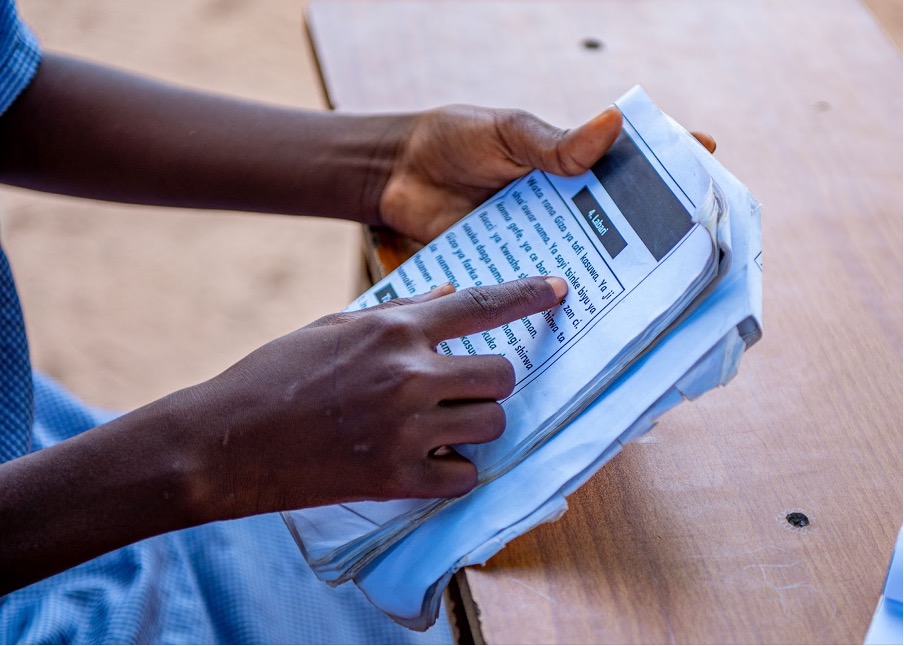
That is why innovations matter. At TaRL Africa, we have seen that children thrive when they learn first in the languages they know best. Through approaches like Language Learning from Familiar to Formal (L2F2), we help children build strong reading foundations in their home languages while gradually bridging to formal school languages like English or French. This ensures that literacy is not just about decoding words, but about understanding and meaning-making.
By anchoring literacy in children’s language realities, we make space for inclusive digital futures. When a child can read fluently and with confidence in their mother tongue, they are far better equipped to engage with new content – whether on paper or on a screen. That’s how we begin to close the gap between the world’s thousands of languages and the few that dominate today’s digital tools. What happens in a single classroom has implications far beyond its walls. A child who learns to read with understanding is not just learning for today but is being prepared for a lifetime of participation in society and in the digital world.
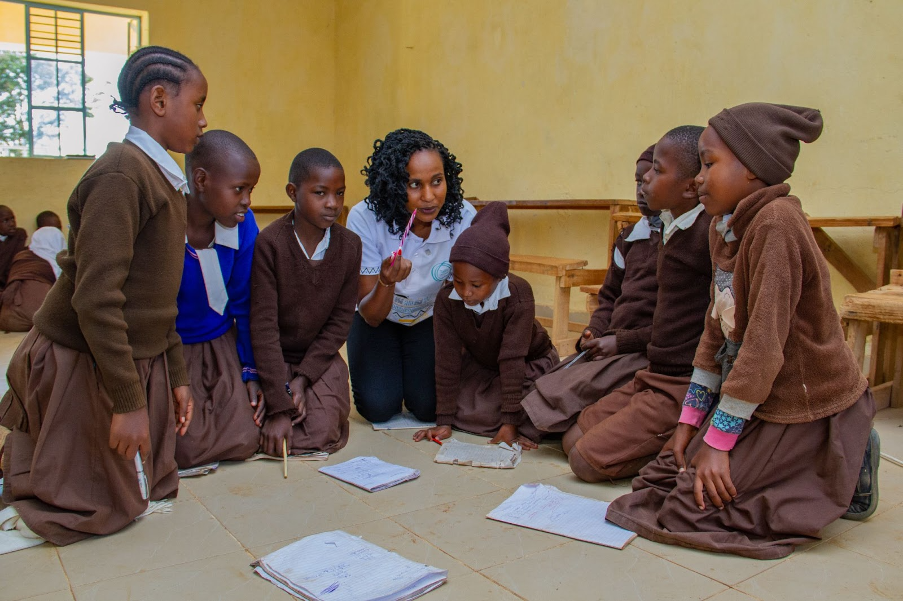
That is why this International Literacy Day feels especially meaningful as we prepare for the UN General Assembly later this month. The global stage in New York gives us the chance to carry these lessons forward – to show that literacy is not just a classroom concern, but a system-wide responsibility and a global priority. Together with our partners, we will be creating space to ask the hard questions: How do we ensure foundational learning is not just a policy promise, but a lived reality for every child? How do we mobilize long-term financing so that progress doesn’t stall when aid shifts? How do we keep literacy and learning more broadly at the heart of the global education agenda in this digital era?
These conversations will take center stage at two key events:
- Breakfast with the Changemakers: Building Better Foundations for Every Child – Where governments, educators, and partners will gather to share what it really takes to embed effective foundational learning approaches in education systems.
- Disrupt to Deliver: Financing the Future of Foundational Learning in Africa – Where civil society, the private sector, and global partners will explore how to secure sustainable financing for foundational learning across the continent.
These are not abstract debates. It is about whether a girl in rural Côte d’Ivoire can read a WhatsApp message from her teacher, whether a boy in northern Nigeria can search for information online safely, whether a child in Zambia can dream of a future where their voice matters in a digital society.
So as we celebrate International Literacy Day, we do so not as a stand-alone event but as part of a larger movement. One that links the voices of children and teachers to the agendas of leaders and partners, local breakthroughs to global strategies. One that insists literacy is not optional but the foundation of equity, empowerment, and sustainable development in the 21st century.
At UNGA80, our call is simple but urgent: let us build better foundations for every child, because a digital future without literacy is no future at all.
Special thanks to our partners: Association for the Development of Education in Africa (ADEA), UNICEF, VVOB, Hempel Foundation, Human Capital Africa, Gates Foundation, Africa Practice, Pratham International, and Youth Impact